
One practice I was introduced to by the birding community was the “First Bird”. The “First Bird” is the first bird that you observe in a New Year. I have found it to a fun practice that allows me to pause and slow down, get outside, and genuinely engage with the world around me. Want to try it for yourself? Recommended steps are below.
1) Go outside
To find your First Bird, you need to get outdoors. If you can’t, then you can always check out an online webcam like those offered by Cornell Lab. Make sure you dress for the weather – here in the Pacific Northwest, it can be cold and rainy often on January 1st.

2) Look and Listen
Take a moment and breathe in. Close your eyes for a moment and listen… what can you hear? Listen for bird calls and follow them – using established trails of course. Use your tools, like cell phones, cameras, or binoculars to help you locate one.
3) Locate
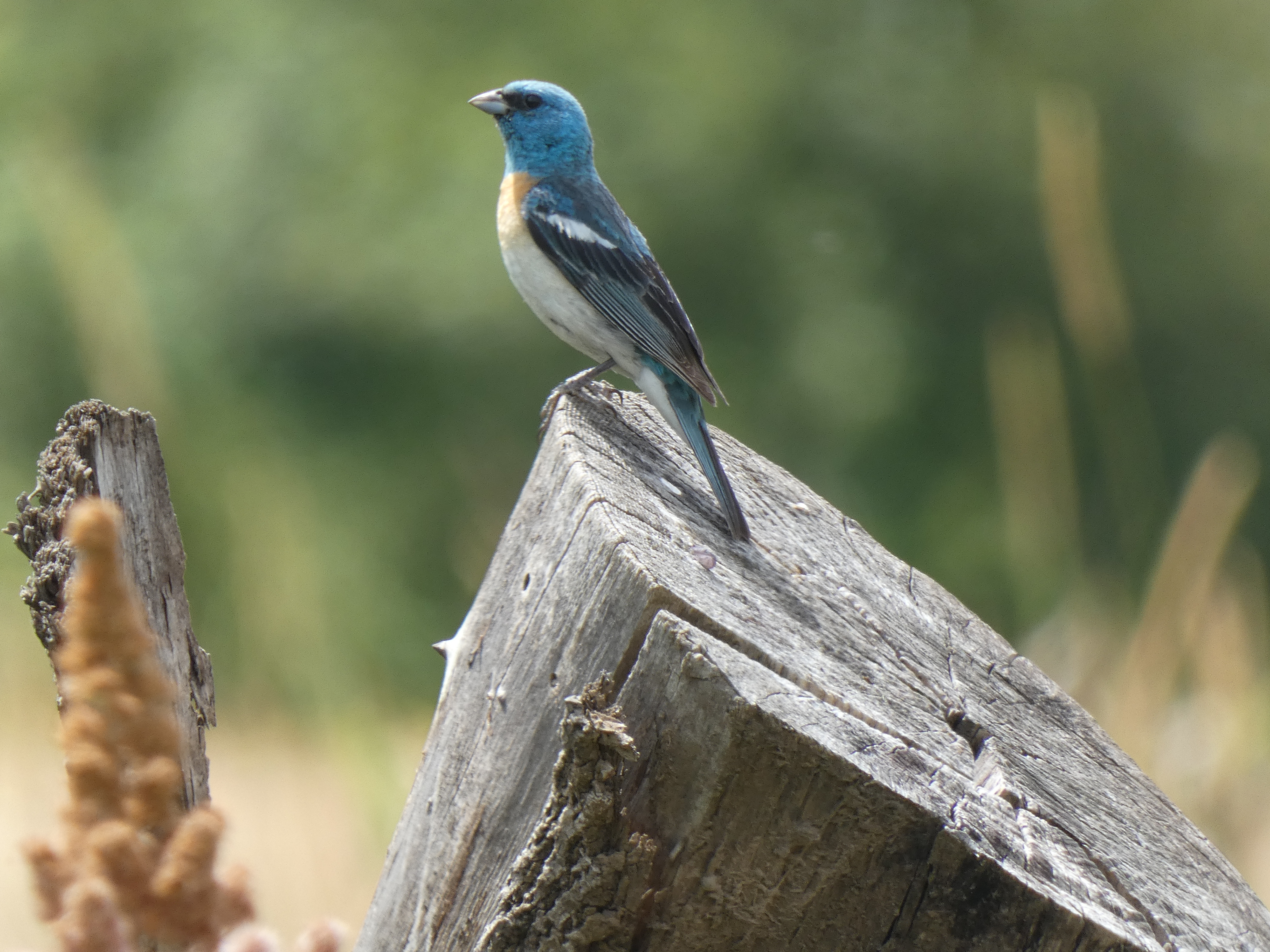
Find a bird – any bird will do – and pay attention. What does it look like – colors, size, markings? What does it sound like? Where did you see it? Record any notes in the field that you can. You don’t even have to know what kind of bird it is because you can use field notes, photos, or video to help you identify it later.

4) Learn
Take some time to learn more about this bird. You can use paper guides (I love Sibley’s) or online resources like Merlin. What do they look like? Does it change during their lifetime or during the year? Where can they be found? Do they migrate or live in your area year-round? What do they eat? What is their life like? Birds can often fall into the background of our lives as we rush about, but are complex and interesting beings when we take the time to learn more. They can have distinct characteristics and personalities if we take the time to watch more closely. And obviously we don’t have to learn this all at once – we can take our time to learn more about our “First Bird”.

5) Record
Record notes about your first bird. I enjoy recording my First Bird in my Nature Journal along with other notes from the day. Sometimes I use it as a chance to stretch myself in some way, whether trying a new media or adding different types of details. Taking the time to write or draw your bird gives you a record to return to in the future. And don’t worry about filling the page – you can add more later if you would like. I do recommend adding the date and location. If you are able, I recommend sharing your First Bird with others.
Finding your “First Bird” can be an incredible practice to start the New Year. It helps start the year learning, expressing ourselves creatively, and connecting with the world around us. If you try it out, feel free to share about the experience in the comments below.
Happy New Year and, as always, Happy Exploring!
– Kirsten, the NW Naturalist

Leave a Reply